
Alright.
So you’re probably here wondering, when does nikkah happen?
Is it before the wedding? During? Randomly one afternoon after chai and samosas?
Well, you’re not alone.
A lotta people, even those born into Muslim families, kinda scratch their heads at this.
Today, we’re diving deep into this beautiful, emotional, slightly nerve-wracking ceremony.
Get comfy. Let’s chat.
First, What Even Is Nikkah?
Before we jump into the when, we gotta talk about the what.
Nikkah is the Islamic marriage contract.
Simple words.
Big meaning.
It’s not just a signed paper or an event where people wear new marriage ceremony clothes.
It’s the official, spiritual, and emotional agreement between two souls to share a life together.
Think of it as the moment two lives get sealed by promises and prayers.
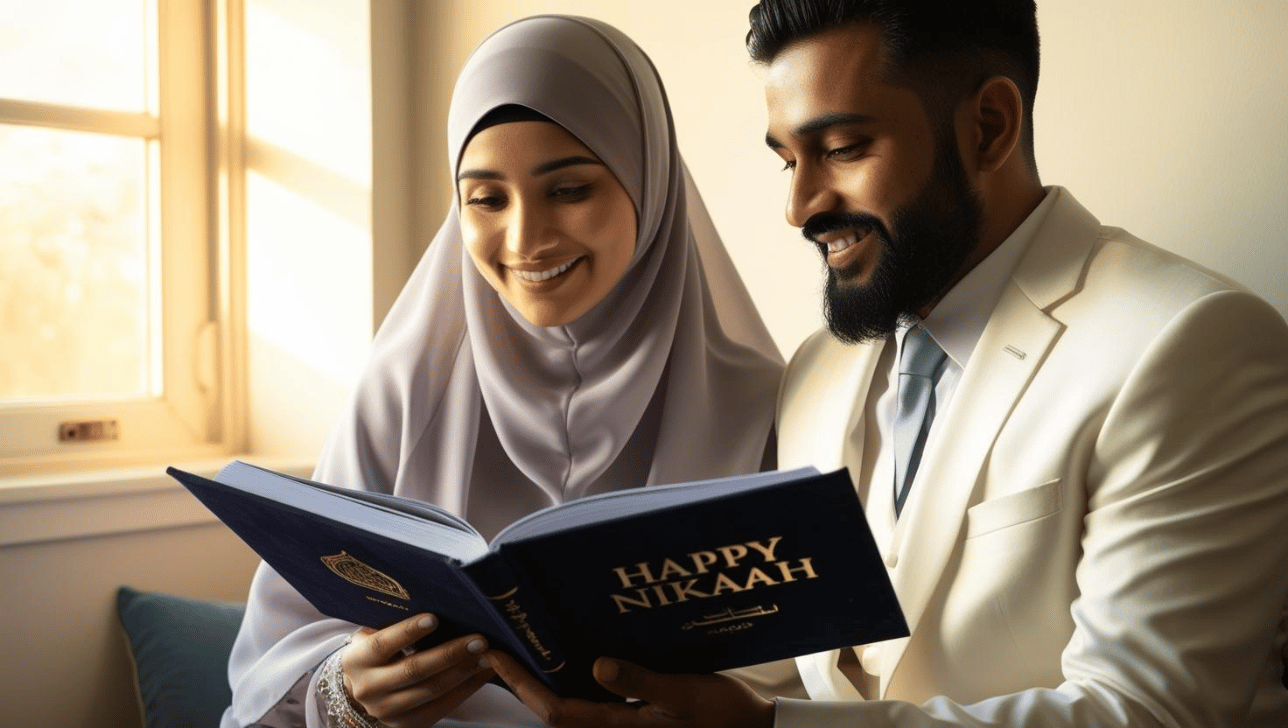
Okay, So When Does Nikkah Happen?
Short answer?
It depends.
Long answer?
Let’s break it down.
Some families do the nikkah super early—like months before the big shaadi day.
Others do it on the same day as the wedding party.
And a few rare ones? Right after engagement.
No one-size-fits-all answer here. But generally, there are three main times when nikkah happens:
1. Nikkah Right Before the Wedding
This is the most traditional style.
On the wedding day itself, maybe an hour or two before the actual reception.
- The bride is usually hidden somewhere, away from the groom.
- The imam arrives.
- Close family members sit around.
- The nikkah happens quietly, respectfully.
- Then boom—officially husband and wife!
Later? Party time.
Pros: Everything feels connected. No confusion.
Cons: Slightly hectic. Emotions already high.
2. Nikkah Months Before the Wedding
Some couples wanna seal the deal early.
Maybe they’re long-distance.
Maybe cultural reasons.
Or just can’t wait!
- They sign the nikkah papers months ahead.
- But don’t live together until after the big wedding event.
It’s like: “We’re married but… hold the honeymoon vibes.”
Pros: Stability, halal communication, peace of mind.
Cons: Confusing for nosy aunties who can’t mind their own business.
3. Nikkah After Engagement, But Before Everything Else
Rare, but beautiful.
Some families arrange a simple nikkah soon after engagement.
Tiny gathering. No frills.
Then months later comes the wedding celebration. Big clothes, big food, big dance floors.
Pros: Private and meaningful.
Cons: You might forget you’re technically married already. (Kidding… kinda.)
Storytime: My Cousin’s Wild Nikkah Timeline
So my cousin Qasim.
Total goofball.
Got engaged in April. Planned a December wedding. All normal.
One night in July, he calls me up.
“Bro…we’re doing nikkah next weekend.”
I’m like, “Wait what??”
Turns out they wanted to have longer halal conversations. More wedding planning freedom. Less family drama.
So they did a cozy little nikkah ceremony at his house.
Just parents, siblings, and like 4 people on Zoom.
Best decision they ever made.
He said it felt like real marriage started that day… not months later with fireworks and biryani plates.

How Is Nikkah Done Anyway?
You don’t just show up and sign something. There’s a beautiful structure to it.
- Proposal and Acceptance (Ijab-o-Qubool) — spoken out loud.
- Mahr — the dowry (money, jewelry, a favor—whatever agreed upon).
- Two Witnesses — needed to make it official.
- Signing the Contract — real paperwork time.
- Dua — prayers for blessings.
That’s it.
No super complicated rituals.
No dramatic movie scenes.
Just purity and purpose.
Who Performs the Nikkah?
Usually an imam.
Or any trusted religious scholar.
Sometimes even a knowledgeable family member, depending on local customs.
Basically, someone who knows the rules and keeps things clear and halal.
And no, your cousin with a YouTube certification doesn’t count. Sorry, Adnan.
Nikkah in Different Cultures
One more fun fact?
Nikkah feels a little different everywhere.
- In South Asia (Pakistan, India, Bangladesh): It’s a grand affair. Tons of decor, dozens of cousins, everyone decked out.
- In Middle Eastern countries: Sometimes done at court with just a few signatures.
- In Western countries: Masjid ceremonies, often super minimalistic. Very emotional.
Different styles. Same sacred meaning.
Common Questions Around Nikkah
Let’s hit a few FAQs real quick, yeah?
Can You Live Together After Nikkah but Before Wedding?
Technically, yes.
Islamically, once you’re married—you’re married.
But culturally?
Some families prefer the couple waits until the public wedding celebration.
Always depends on family expectations, community norms, and your personal situation.
What Happens If You Break Off After Nikkah?
Tough one.
If nikkah is done and you wanna separate before moving in together or before wedding ceremonies—
You’d still need an Islamic divorce (Talaq or Khula depending).
So yeah.
Nikkah isn’t a casual thing. It’s deep.
Can You Have Just a Nikkah Without Big Wedding?
Absolutely.
Plenty of couples keep it simple with just nikkah.
No DJ. No 500 guests.
Just solemn vows, sincere dua, and maybe some chai and sweets afterward.
And honestly? It’s beautiful.
Final Thoughts: Nikkah Isn’t Just “When”—It’s “Why”
So when does nikkah happen?
Before. After. During. Whenever the two families (and the couple!) feel it’s right.
The bigger thing to remember?
Nikkah is not about decorations. Or how trendy your bridal outfit is.
It’s about promises. Prayers. Partnership.
Two people looking each other in the eyes and saying:
“Qubool Hai (Which means I agree!)”
Gives you goosebumps, right?
Whether you have your nikkah in a masjid, your living room, or halfway across the world—
It’s one of the most important, beautiful moments of your life.
And guess what?
It’s your moment.
Make it matter.
(P.S. if you’re planning your nikkah soon — may Allah bless your journey with endless happiness, ease, and love.)
ANEELA SHAIKH MATCH MAKER
Are you struggling to find your SOULMATE?
We have a lot of marriage proposals. If you want more details, then WhatsApp me.
UK Nationality Holder Female Wants Muslim Male
USA Architect Female Proposal
USA MBBS Doctor Female Proposal
UK Doctor MBBS Female Proposal
My YouTube Channel:
Click here for my YouTube Videos